

3·
24 hours agoI can add to that. The composer, Christian Bruhn, has become the head of the organisation that fucks you over if you dare to use a snippet of music from one of their members. I had to deal with them over the years a couple of times. I’ve grown up with German Captain Future. The title score is still a core memory of mine. I’m not sure if it was the first anime I’ve ever seen, but it’s in the first 3. And then the composer heads a litigious shithole of a government organisation. Speak about going from hero to villain.




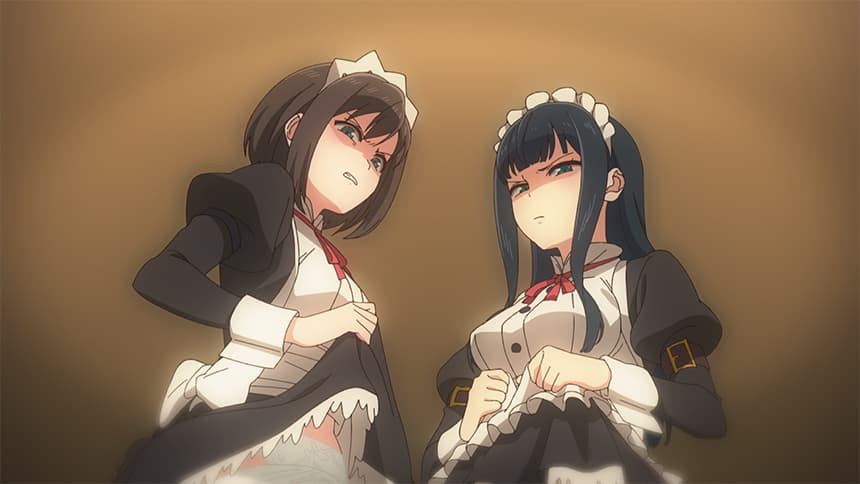











I hope that with the servant now in her court, this will change up the formula from “non-stop-malice towards MC/MC just happily tanking everything” to something else.